

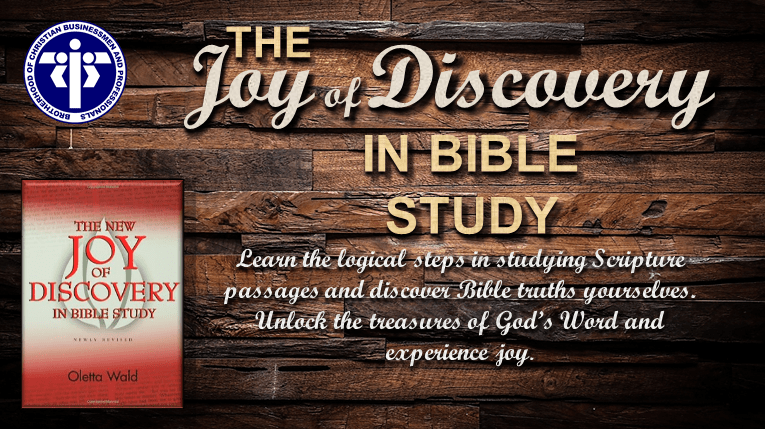
The “Joy of Discovery (JOD)” is a short course designed to help individuals become discoverers in Bible study and experience profound joy in the process. This approach emphasizes personal insight and understanding of God’s Word, moving beyond merely being told truths to actively unearthing them for oneself.
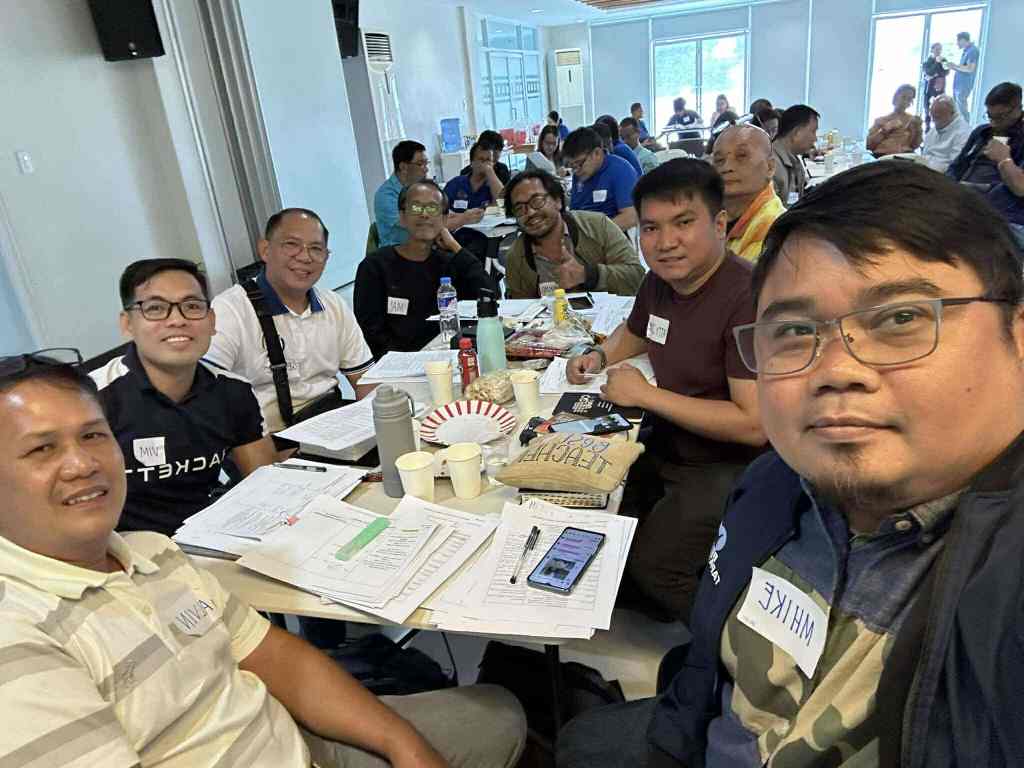
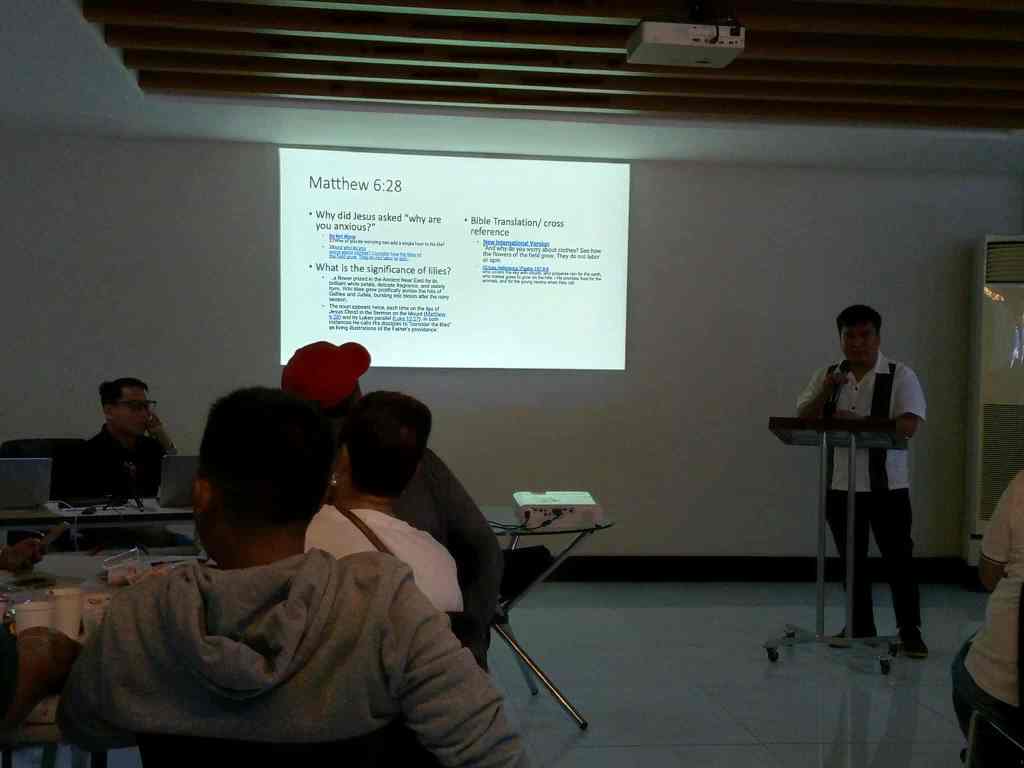
On June 28-29, 2025, Chapter Heads, Formation Directors, and representatives from the BCBP Panay region including your Kalibo chapter participated in a ‘Joy of Discovery’ seminar and workshop. This two-day event was held at the SV More Pharma Building in Mandurriao, Iloilo City and was moderated by Bro. Steve Del Mar of Cebu Chapter.
What is Joy of Discovery (JOD)?
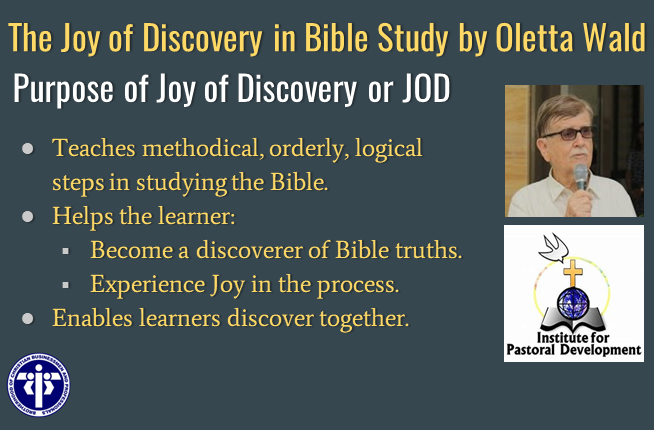
JOD is fundamentally about learning how to study the Bible for yourself. The term “discover” means to obtain insight or knowledge for the first time, to ascertain, unearth, and explore. A “discoverer” is someone who finds things out independently. The course focuses on two main aspects: providing information about discovery skills and offering practice to develop these skills. The practice component is highlighted as the most important part of JOD, encouraging participants not to be overly concerned with being “right or wrong,” but to faithfully engage in the exercises. Through prayer, practice, and perseverance, participants are promised an increased capacity to gain deeper insights into the Word.

Why Become a Discoverer?
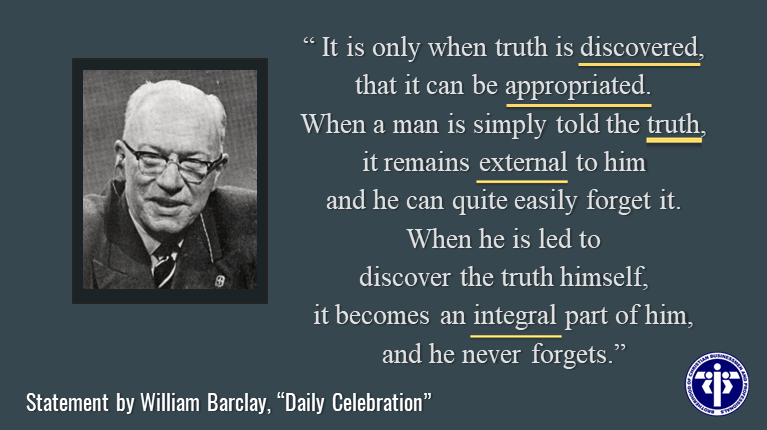
William Barclay, in his book Daily Celebration, states that “It is only when truth is discovered that it is appropriated”. When truth is simply told to a person, it remains external and can be easily forgotten. However, when an individual is led to discover the truth themselves, it becomes an integral part of them and is never forgotten. Many Bible study groups typically have a leader who is the discoverer, sharing their insights with others. JOD aims to shift this dynamic, teaching participants how to become their own discoverers, ensuring they retain what they learn from God’s Word.
JOD also incorporates “student-team learning,” recognizing that significant learning often comes from interacting with small group members. Teams of about four are encouraged to work together by first completing individual practice exercises, then sharing their insights to enlarge understanding. Sometimes, tasks can be divided, allowing each person to concentrate on a segment of a passage, leading to more thorough study and greater insights when shared. The goal is to enable all group members to become discoverers and sharers.
The Methodical Procedures in Bible Study
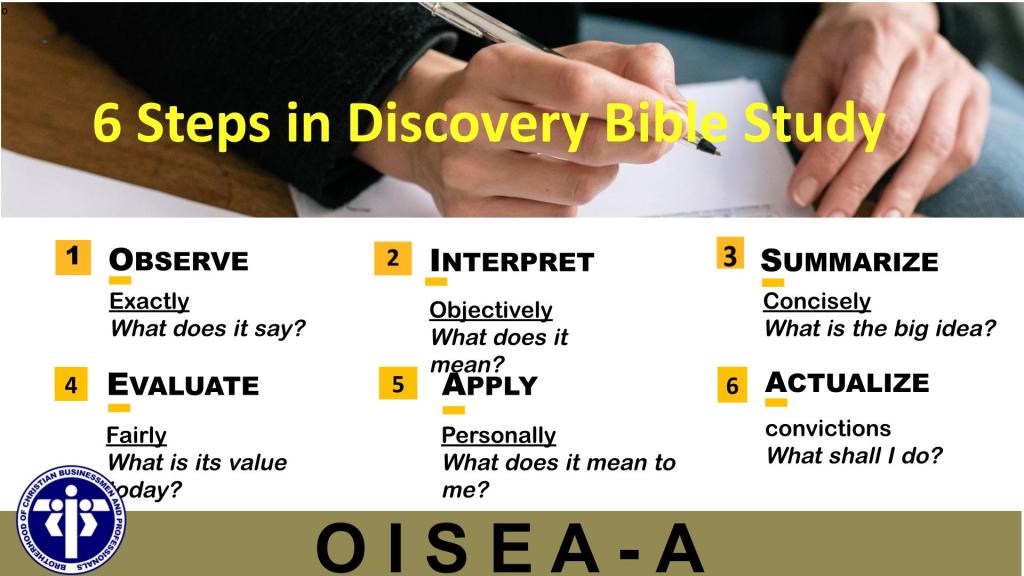
The JOD method follows a systematic process, emphasizing a regular order of procedures, guided by the Holy Spirit, who helps in observation, interpretation, summarization, evaluation, application, and actualization. The core steps include:
1. OBSERVE: This is the most important first step. It involves determining “exactly what the author is saying”. Careful and thorough observation leads to more meaningful interpretations, fairer evaluations, and richer applications. Specific things to look for during observation include:
- Key Words: Underline important words, especially those repeated, and then select the most significant ones.
- Admonitions, Advice, Warnings, Promises: Be alert for the advice, exhortations, warnings, and promises given by the writer, often indicated by imperative verbs.
- Reasons/Results: Note if the writer provides reasons for advice or sets forth cause-and-effect relationships (e.g., “if…then”).
- Contrasts, Comparisons, Illustrations: Pay attention to how the writer uses these to convey ideas; contrasts are often introduced with “But”.
- Repetition and Progression of Ideas: Look for repeated words, ideas, or statements to understand the author’s purpose and note if ideas progress towards a climax.
- Questions: Observe how questions are used (e.g., to introduce an idea, summarize, or challenge thinking).
- Grammatical Construction: Note verbs and their tenses, pronouns, adverbs, and adjectives.
- Important Connectives: Be alert for words like “but,” “if,” “for,” “because,” “therefore,” “in,” “into,” “with,” and “in order that,” as they reveal key ideas and relationships.
- Atmosphere and Emphatic Statements: Discern the general tone or mood (joy, concern, anger, etc.) and note emphatic words or phrases.
- Literary Form: Identify if the passage is discourse, narrative, poetic, dramatic, parabolic, or apocalyptic, and whether terms are literal or figurative.
- General Structure: Observe the arrangement and relationship of ideas and verses, like general statements followed by examples or lists summarized by a statement.
In all these, Observation demand concentration and practice.
2. INTERPRET: This step focuses on discerning “objectively what the author has written” and “what it means“. After thorough observation, determine the author’s thoughts, attitudes, emotions, and purpose. This process involves:
- Prayer and Meditation: Seek the Holy Spirit’s guidance for proper interpretation.
- Discernment: Use common sense to evaluate the validity of your “I wonder questions” or “questions for understanding”. Questions that can be answered with a simple “yes” or “no” or application-focused questions (using “we” or “me”) are generally less valuable at this stage.
- Defining Words: Use a dictionary to look up key words and their synonyms, choosing the definition that best fits the context of the Bible passage. Studying the etymology (root significance and derivation) can provide deeper insight.
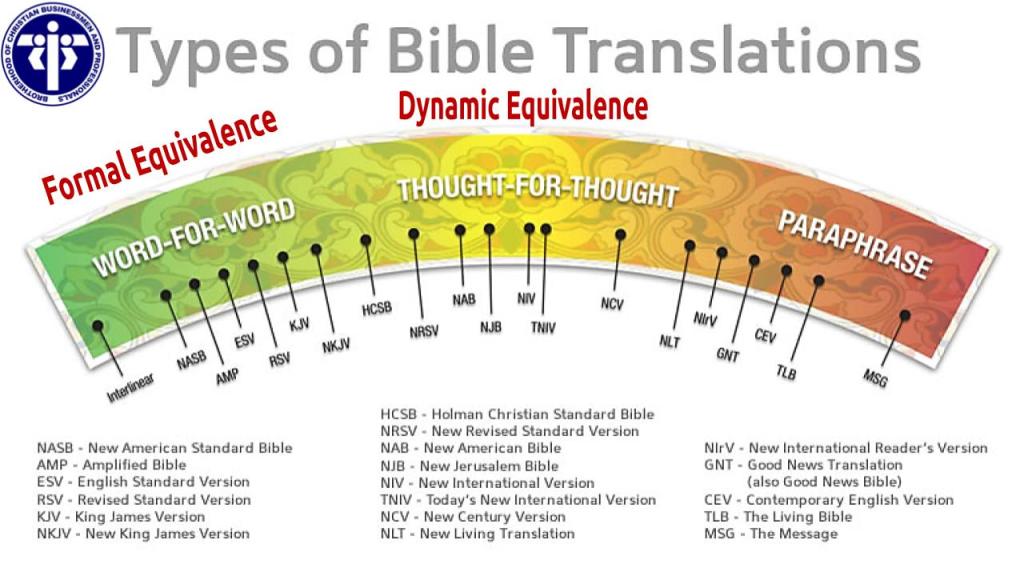
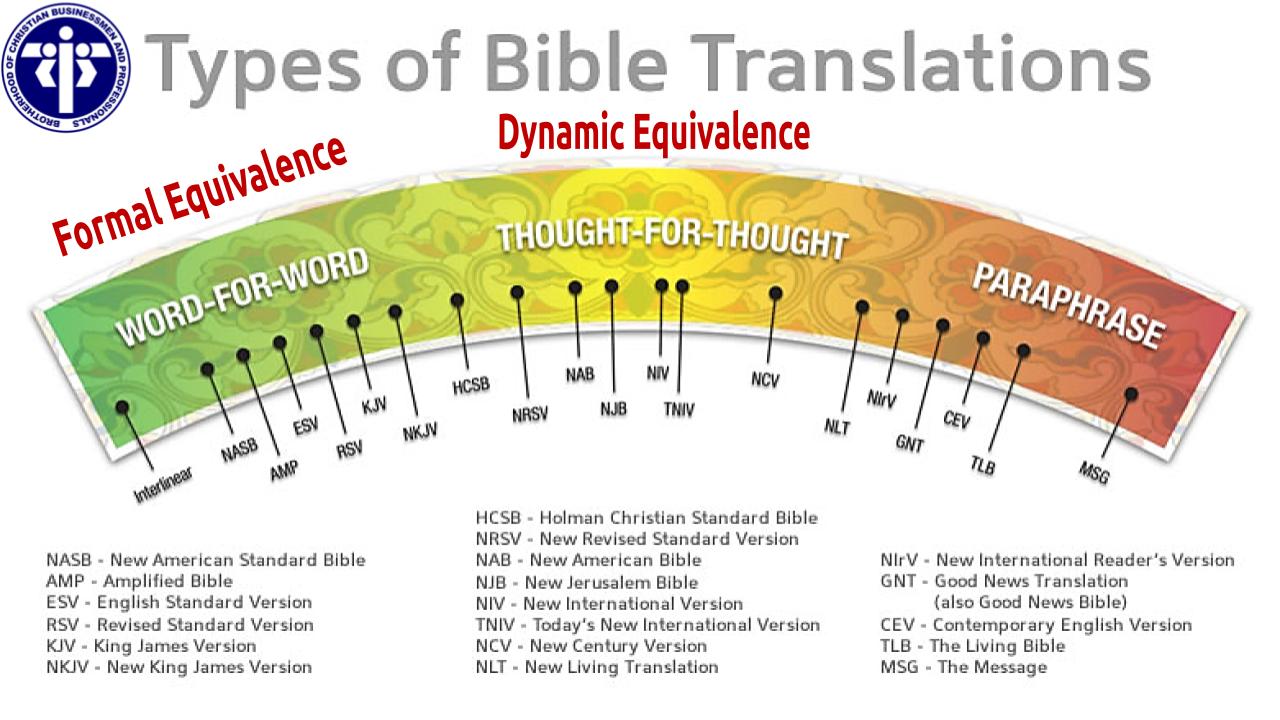
- Comparing Translations: Consult different types of Bible translations—word-for-word (e.g., KJV, ESV, RSV, NASB, AMP), thought-for-thought (e.g., NIV, NAB, NRSV, TNIV, NCV, NJB), and paraphrases (e.g., GNB/TEV, NLT, CEV, TLB, MSG)—to gain new insights. (See: Types of Bible Translations above.)
- Investigating Cross-References: Look for Scripture’s own interpretations or use a concordance to find related passages that broaden understanding.
- Consulting Resources: Gain insight into the historical, cultural, and geographical background using Bible dictionaries, geographies, and atlases. Commentaries should be consulted last to avoid denying oneself the joy of personal discovery.
- Wrestling with Meanings: Think, meditate, evaluate, reflect, and draw conclusions from the information gathered.
3. SUMMARIZE: This step involves concisely articulating “the key ideas in a passage” or “what is the big idea?”. Summarization is an ongoing process, done in connection with both observation and interpretation, and should state the message in your own words. It’s the final step of interpretation, summarizing conclusions about individual words, verses, or the entire passage.
4. EVALUATE: Fairly judging “what the author has written” and “what is its value today?”. This step comes after observation and interpretation, distinguishing between “Local Truths” (applicable to specific historical periods) and “General Truths” (applicable at any time). Suggestions for evaluating include:
- Considering the author’s purpose.
- Understanding for whom the biblical portion was written (setting, time, ethics, customs, needs).
- Distinguishing between general and local truths.
- Relating the truths to the whole message of the Bible.
- Assessing the validity of the translation by comparing versions.
- Maintaining objectivity, avoiding personal prejudices.
5. APPLY: This step involves personally embracing “what the message revealed” and “what does it mean to me?”. Application is considered the “fruit” of the study process and allows the Word of God to speak personally to one’s heart, leading to practical changes in life. The Bible is useful for teaching, reproof, correction, and training in righteousness so that a person may be equipped for good work. Key questions for application include:
- What am I to believe? (about God, Jesus, Holy Spirit, grace, sin, etc.).
- What am I to do? (regarding actions, attitudes, emotions, and sins).
- What do I learn about relationships? (with God, others, family, community, self).
- What is the Good News for me? (finding grace, forgiveness, healing in Christ).
6. ACTUALIZE: This final step means to bring into action your convictions, asking “What shall I do?”. It’s about translating intellectual and emotional understanding into concrete doing, as the Bible encourages “doers of the word, and not merely hearers” (James 1:22-25). Ways to actualize include:
- Meditating on the teachings slowly and prayerfully, considering personal relevance.
- Expressing faith in concrete ways (sharing verbally, time, money, energy, creative expressions).
- Sharing convictions and concerns with others.
- Making a verbal commitment.
- Praying with one another.
Essential Tools and Resources for Bible Study
To effectively engage in the JOD process, several tools and resources are recommended:
- Bible Translations:
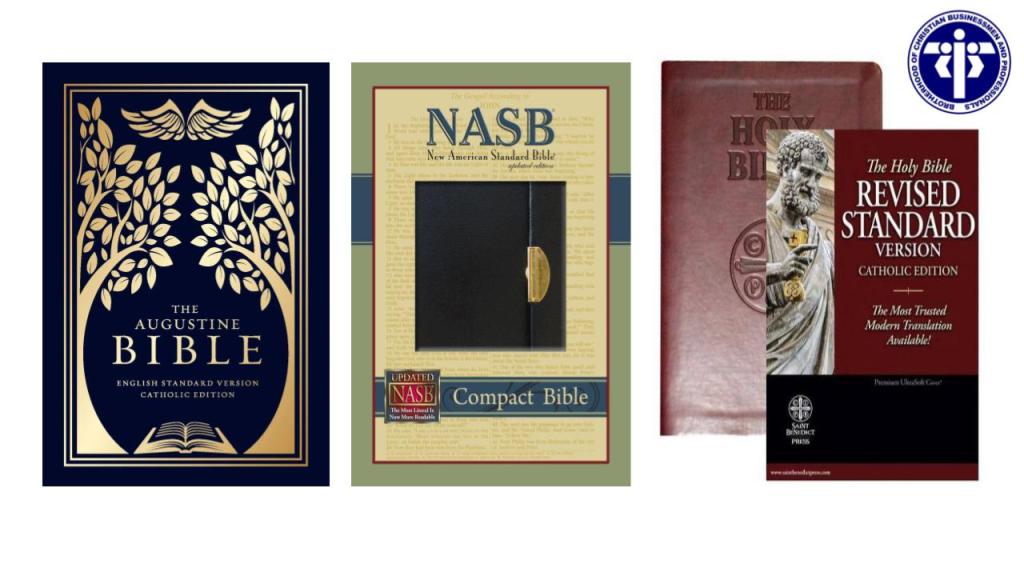
- At least two Standard Versions (Word-for-Word or Formal Equivalence Method) such as NASB, AMP, ESV, KJV, NKJV, RSV, HCSB.
- Thought-for-Thought (Dynamic Equivalence Method) like NRSV, NAB, NJB, NIV, TNIV, NCV, NLT.
- One Free or Paraphrase Version such as GNB/TEV, NLT, CEV, “The Promise,” Phillips Modern English, MSG.
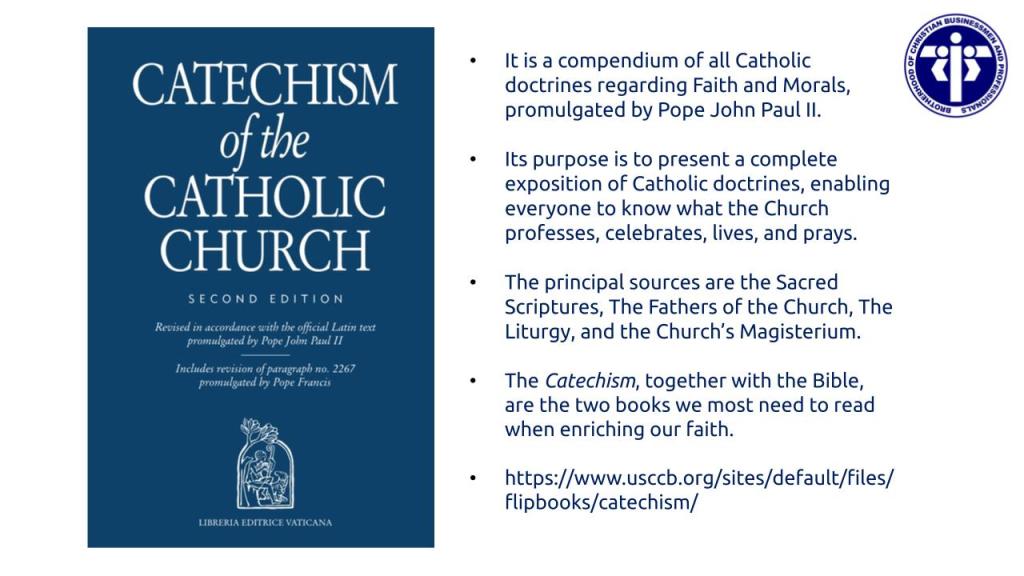
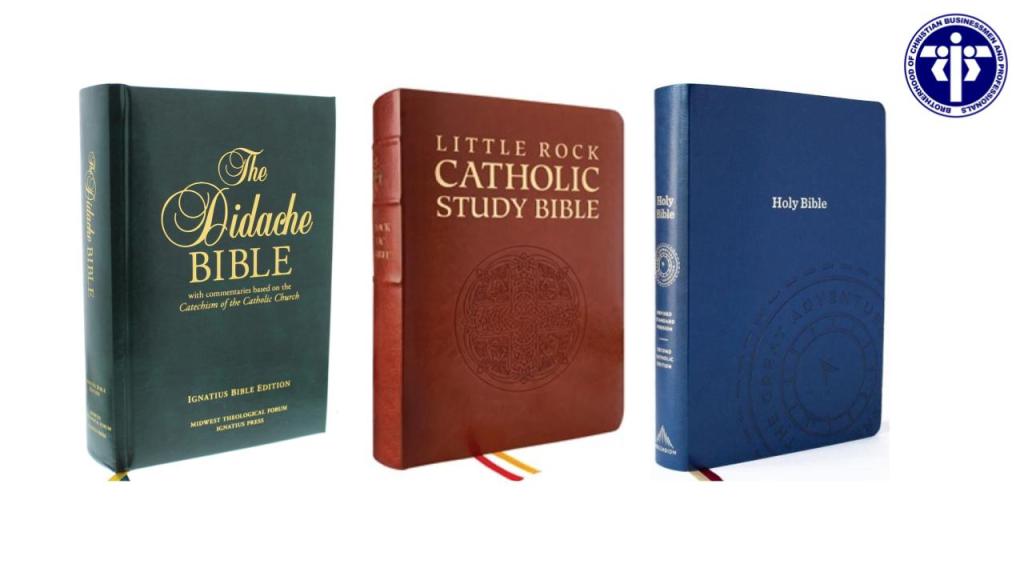
- Study Bibles: ESV Study Bible, NIV Study Bible/Life Application Study Bible, NABRE Study Bible, Catholic Study Bible, Didache Study Bible, Ignatius Catholic Study Bible (NT), Catholic Scripture Study Bible RSV-CE. These Bibles include additional features like notes, articles, maps, charts, and timelines.
- Other Useful Bibles: Amplified, Life Application, Archaeological Study Bible, Cultural Backgrounds Study Bible.
- Dictionaries & Thesauruses: An ordinary dictionary (Webster’s or Merriam’s).
- Bible Dictionaries/Encyclopedias: e.g., Dictionary of the Bible by John McKenzie, S.J., Nelson’s Bible Dictionary, NIV Compact Dictionary of the Bible. A lexicon is a book containing an alphabetical arrangement of words and their definitions.
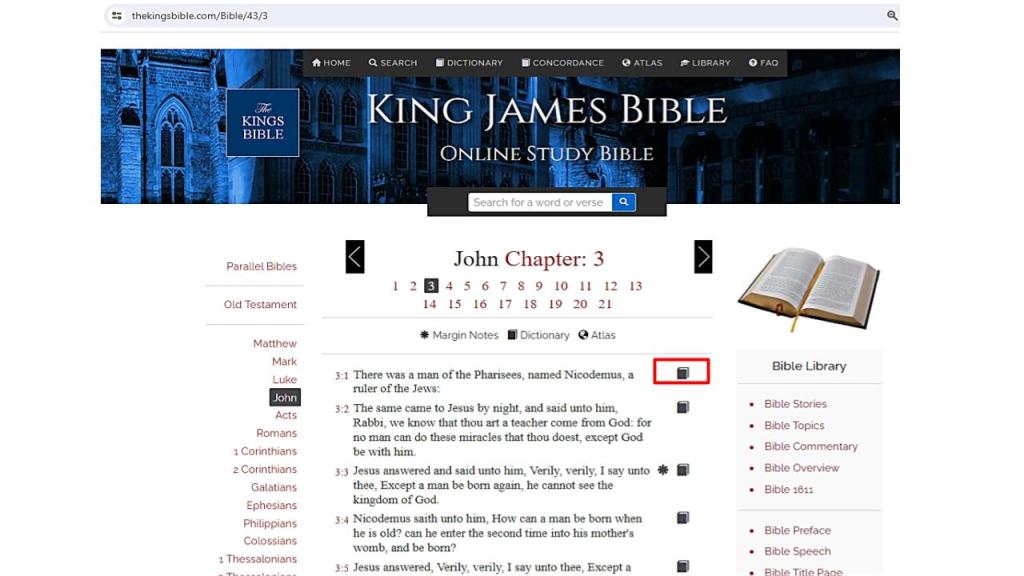
- Bible Concordances: Identify all passages where a specific word appears, such as Strong’s Concordance (an index of every word in the King James Version, with references to original Hebrew and Greek words).
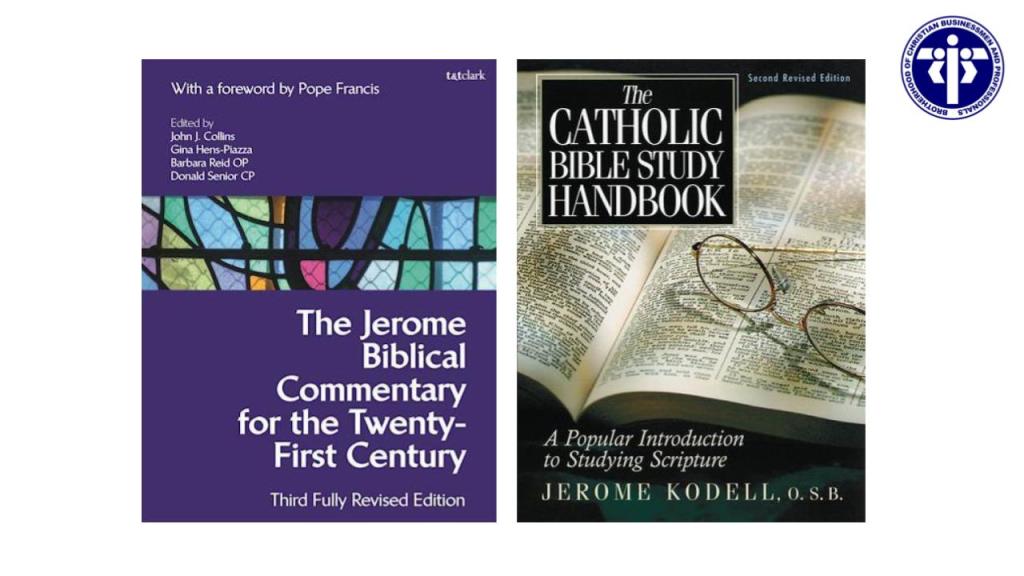
- Commentaries: Produced by scholars, these offer interpretations, but should be consulted last. Examples include Jerome Commentary and William Barclay’s works.
- Interlinear Bibles: Word study tools for understanding original languages and translation.
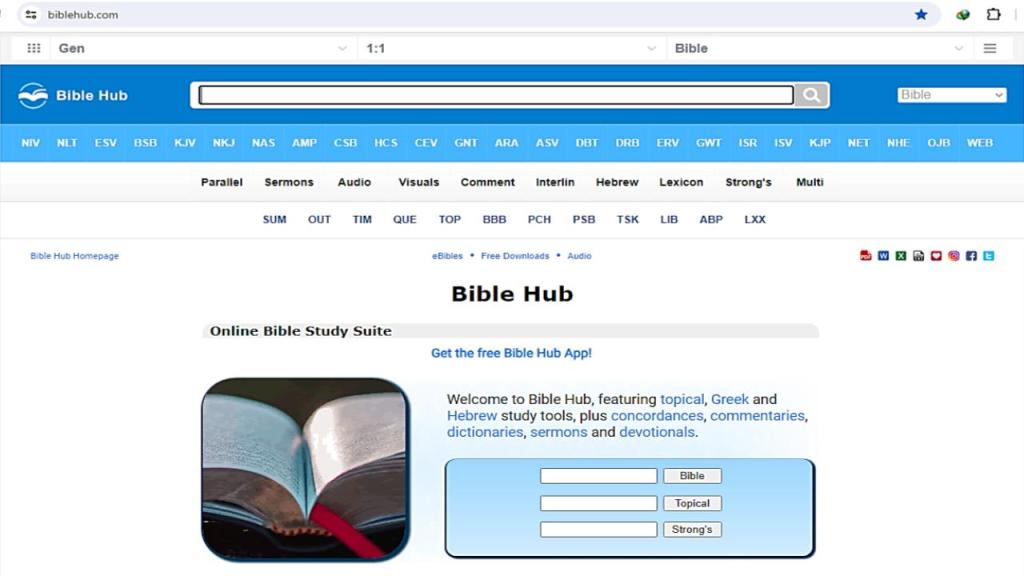
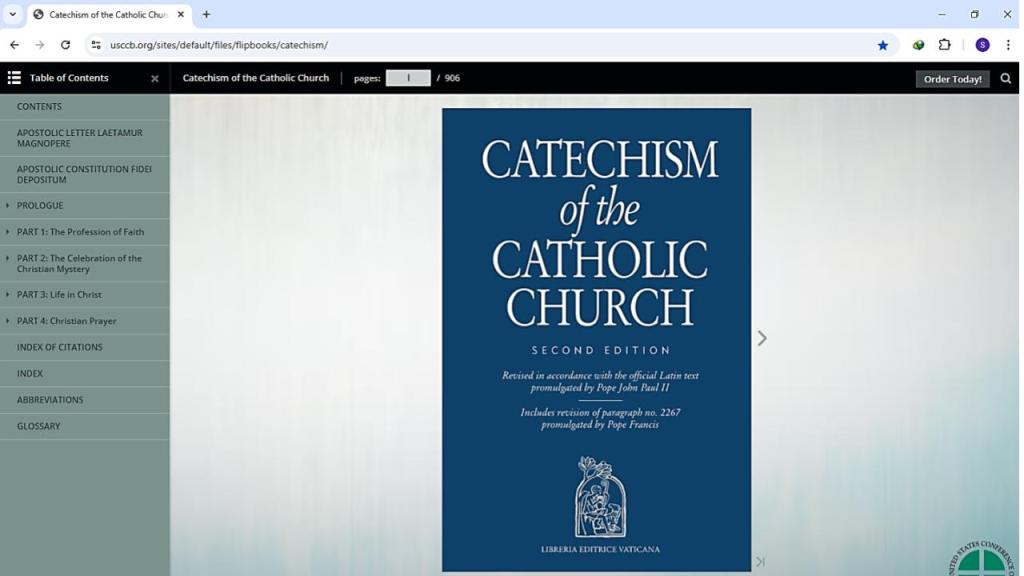
- Websites: Resources like biblehub.com, biblegateway.com, blueletterbible.org, biblestudytools.com, and webstersdictionary1828.com offer various tools.
The JOD method, with its emphasis on personal discovery and methodical study, aims to transform Bible engagement into a joyful, rewarding and deeply personal experience.
Bro. Steve Del Mar







What do you think about this “Joy of Discovery” technique? Do you want us to bring this experience to you? Drop us a note or email me at formation.vim@kalibobcbp.org. We’d love to know what you think!
ACKNOWLEDGEMENTS:
Other photos and videos courtesy of brothers Steve Del Mar, Alvin Barrios & Mhike “Ninong” Jamora. JOD videos available on YouTube at https://youtu.be/DkdV5_AcMjw and https://youtu.be/UQcwDnm0aow
 BCBP Kalibo Rising
You must be logged in to post a comment.