

The Bible is replete with passages that not only tell the story of God’s relationship with humanity but also provide profound lessons about faith, purpose, and community. Among these passages, John 21:12 stands out as a pivotal moment following the resurrection of Jesus Christ. The verse states, “Jesus said to them, ‘Come and have breakfast.’ None of the disciples dared ask him, ‘Who are you?’ They knew it was the Lord. This seemingly simple invitation carries significant theological and relational implications worth exploring.
The Context of the Verse
To appreciate the depth of John 21:12, we must consider its context. This verse is situated in a post-resurrection setting, following the death and resurrection of Jesus. After witnessing the miraculous resurrection, the disciples found themselves in a state of confusion and uncertainty. Many had returned to their former lives as fishermen, grappling with their roles and identities after experiencing the loss of their teacher and friend.
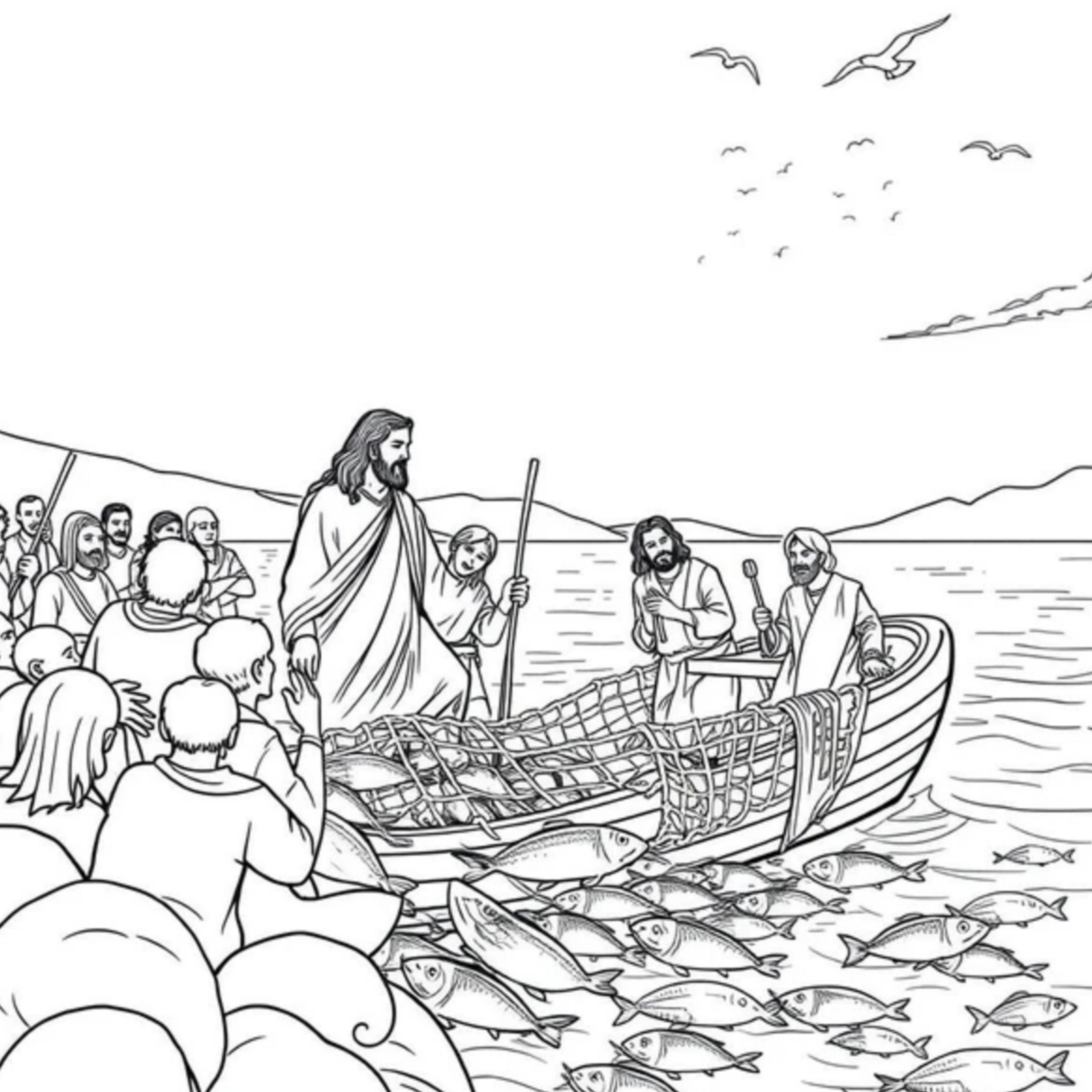
In this chapter, the disciples have fished all night without success. However, with Jesus’ guidance, they catch an overwhelming number of fish, mirroring a prior encounter from Luke 5:1-11, where Jesus called them as His disciples. This miracle signals not only His continued provision but also His ongoing presence and authority in their lives.

The Invitation: “Come and Have Breakfast”
1. A Gesture of Fellowship
Jesus’ invitation to “come and have breakfast” is a beautiful expression of fellowship. In the customs of first-century Judea, sharing a meal was a significant act of communion and hospitality. Jesus, despite having conquered death, does not present Himself with lofty theological discourse or a demand for worship. Instead, He offers a simple meal, suggesting that divine intimacy can be found in ordinary moments. This scene illustrates the importance of community and relationship, reminding believers that faith is not solely an intellectual endeavor but also a lived experience of fellowship with Christ and each other.
2. Restoration and Forgiveness
Breakfast on the beach is also a moment of restoration, particularly for Peter. Earlier in the Gospel, Peter denied Jesus three times (John 18:15-27). The resurrected Christ’s invitation to share a meal signals a chance for redemption. In the subsequent verses, Jesus reinstates Peter, asking him three times, “Do you love me?” (John 21:15-17), paralleling the three denials. This highlights the relationship dynamic between divine grace and human failure—where guilt and shame can be transformed into purpose and calling. Jesus’ gentle approach emphasizes that restoration is possible, no matter how far one may stray.
Recognition of the Risen Christ
The verse also notes that “None of the disciples dared ask him, ‘Who are you?’ They knew it was the Lord.” This acknowledgment reflects a profound recognition of Jesus’ identity. After spending three years with Him, the disciples discerned His presence, even after His resurrection. Their inability to vocalize their awareness underscores the reverence and awe they felt in Jesus’ presence. This moment calls believers today to recognize Christ’s work in their lives, aware that His presence might often manifest in unexpected ways.
Theological Implications
1. The Nature of Resurrection
John 21:12 shapes an understanding of the resurrection that is both tangible and relational. Jesus is not merely a resurrected figure but one who actively engages with His followers, sharing meals and inviting them into fellowship. This challenges common understandings of resurrection as purely spiritual, illustrating that the resurrected life involves physical reality, community, and relationships.
2. The Call to Discipleship
The invitation from Jesus serves as a reminder of the ongoing call to discipleship. Just as Jesus invited His disciples to engage in communal life and mission, believers today are called to extend that same invitation to others. The breakfast scene is emblematic of how the church and the Brotherhood of Christian Businessmen and Professionals or, BCBP should function— as a community that embraces, restores, and nurtures relationships grounded in Christ’s love.
Conclusion
In John 21:12, the layers of meaning extend far beyond an invitation to breakfast. It speaks to the relational essence of Jesus, the journey of restoration for His followers, and the importance of community and recognition of His lordship. For contemporary believers, this passage serves as a timeless reminder that in the ordinary moments of life—over a meal, in the shared laughter and struggles—Christ invites us into a deeper relationship with Him and with each other. It is a call to embrace both the joys of fellowship and the transformative power of grace that characterizes the post-resurrection reality. As we reflect on this verse, we are invited to experience the depths of God’s love and the gift of our BCBP community that empowers us to live as Christ’s disciples in the world.

 BCBP Kalibo Rising
You must be logged in to post a comment.