
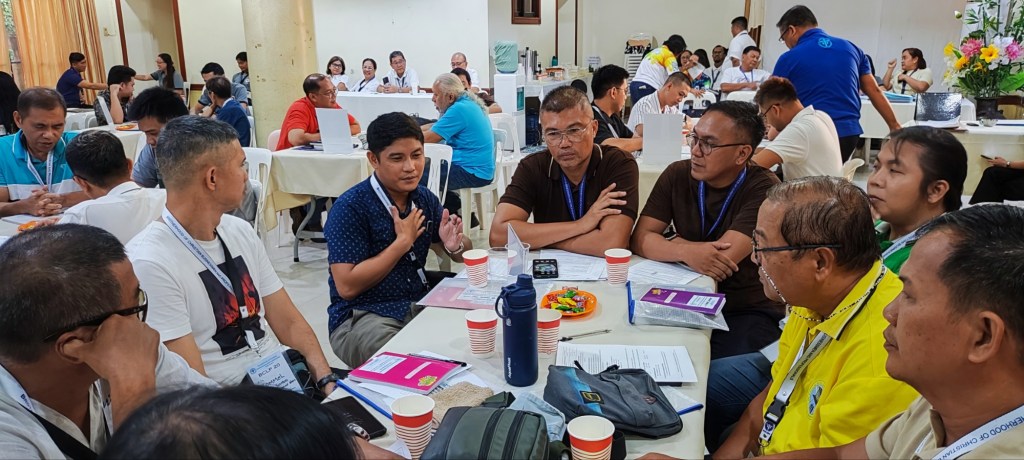
Reporting on BCBP Kalibo community events is a cornerstone of local journalism. It’s about more than just conveying information; it’s about connecting with your audience, fostering community engagement, and highlighting the vibrant tapestry of the community life. This guide is intended primarily for BCBP Kalibo Chroniclers and Correspondents but should also help everyone interested in the process of gathering information, writing and ultimately publishing their story on our blogsite. The whole process is presented below in an outline format in the hope that the reader will find it easier to follow and understand. So, let’s begin.
I. Gathering Information: The Foundation of Your Story
A. Identify Your Sources:
- Community leaders: The Chapter Head, Ministry Heads, and other leaders of the community can provide official information and perspectives.
- Event organizers: They are the primary source of event details, schedules, and goals.
- Participants: Their firsthand experiences can add depth and authenticity to your story.
- Eyewitnesses: Can provide crucial details, especially for unexpected events.
- Social Media: Platforms like Facebook, Twitter, and Instagram can offer valuable insights and visual content.
B. Ask the Right Questions:
- Who, what, when, where, why, and how: These basic questions will form the backbone of your story.
- Impact: How does the event affect the community?
- Quotes: Direct quotes from participants and organizers can make your story more engaging.
- Visuals: Are there photos or videos that can enhance your report?
C. Verify Information:
- Cross-check information from multiple sources.
- Be wary of rumors and unverified claims.
- Fact-checking is crucial for maintaining credibility.
II. Crafting Your Story: Structure and Style
A. Choose Your Angle:
- What is the most compelling aspect of the event?
- Who is your target audience?
- What is the purpose of your story?
- Consider using a narrative, descriptive, or informative approach.
B. Write a Strong Lead:
- Grab the reader’s attention with a compelling opening sentence.
- Summarize the most important information in the first paragraph.
C. Organize Your Story:
- Use the inverted pyramid structure: Start with the most important information and gradually add details.
- Break up your text with subheadings for better readability.
D. Use Quotes Effectively:
- Choose quotes that are relevant and informative.
- Attribute quotes correctly to maintain credibility.
E. Edit Carefully:
- Check for grammar, spelling, and punctuation errors.
- Ensure clarity and conciseness.
III. Publishing Your Story on WordPress
A. Create an account on WordPress by going to wordpress.com/register if you haven’t already; if you do have one then log in to your account.
B. Create a compelling narrative
- Choose an appropriate title that accurately reflects the content.
- Add relevant categories and tags to improve discoverability.
C. Insert Text and Images:
- Format your text using headings, paragraphs, and bullet points.
- Optimize image sizes for faster loading times.
- Add captions to images for context.
D. Optimize for Search Engine Optimization (SEO)
- Use relevant keywords in your title, headings, and content.
- Write a compelling meta description.
- Optimize image alt text.
E. Promote Your Story:
- Share your post on social media.
- Encourage readers to comment and share.
Additional Tips
- Build Relationships: Strong relationships with your assigned ministry members can provide a steady stream of story ideas.
- Attend Events: First-hand experience can enrich your reporting.
- Use Multimedia: Incorporate photos, videos, and audio to enhance your storytelling.
- Engage with Your Audience: Respond to comments and questions to foster community interaction.
- Write in a language you are comfortable with: Many of us are comfortable with writing in the “King’s language” but others find it easier to write in the local dialect. Do whatever is convenient to you.

By following these steps, you can effectively report on community events and contribute to a vibrant and informed community. Remember, your role as a reporter is to inform, engage, and empower your audience. Good luck!

 BCBP Kalibo Rising
You must be logged in to post a comment.